
Network Infrastructure Connectivity
Complete fiber optic and RF connector systems for carrier-grade networks. Our FTTH connector kits reduce field installation time by up to 40%, while our RF assemblies maintain PIM performance below -155 dBc even after 500 mating cycles.
- Pre-terminated fiber connector assemblies (LC, SC, MPO)
- Low-PIM RF connectors for 5G small cells and macro sites
- Outdoor splice closures rated IP68 for direct burial
- DAS and in-building distribution connectors
Railway & Vehicle Systems
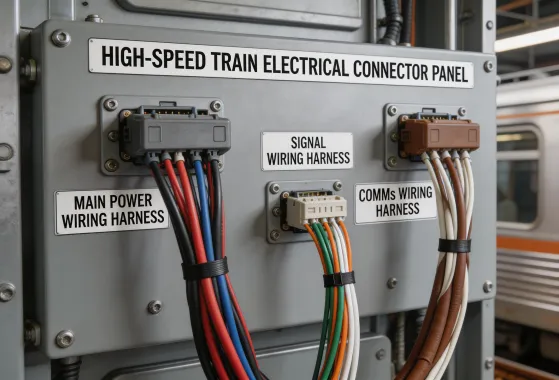
Vibration-resistant connectors certified to EN 50155 for rolling stock applications. Our heavy duty connector series withstands continuous vibration, thermal cycling from -40 to +85 degrees C, and 20,000+ mating cycles without performance degradation.
- Heavy duty rectangular connectors for traction power
- Circular connectors for signaling and TCMS
- Ethernet connectors for passenger information systems
- Custom cable harnesses with overmolded terminations
Power Generation & Distribution
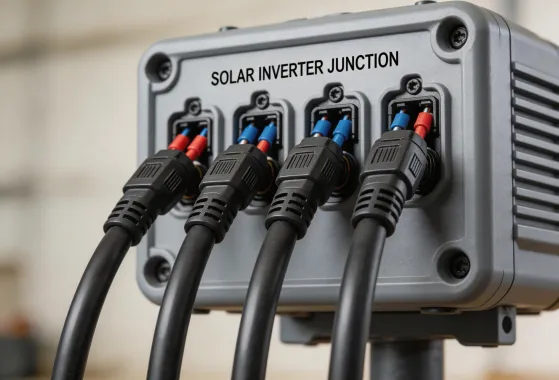
High-current connectors and terminal blocks engineered for solar inverters, wind turbine nacelles, and grid infrastructure. Rated up to 150A with UV-resistant housings for 25-year outdoor service life.
- DC power connectors for solar string inverters
- Terminal blocks for switchgear and distribution panels
- Slip ring connectors for wind turbine pitch systems
- IP67 junction boxes for outdoor power distribution
Smart Manufacturing Connectivity
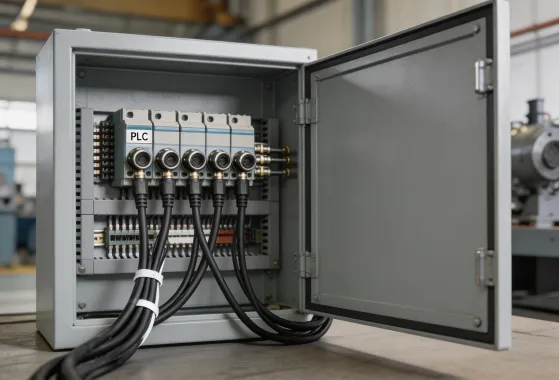
Sensor, fieldbus, and Industrial Ethernet connectors supporting PROFINET, EtherCAT, and IO-Link protocols. M12 X-coded connectors deliver 10 Gbps throughput for demanding machine vision and robotics applications.
- M8/M12 sensor and actuator connectors
- M12 X-coded connectors for 10G Industrial Ethernet
- Heavy duty connectors for machine tool interfaces
- IO-Link hubs and splitter boxes